How to Choose Eco-Friendly Appliances for Australian Homes

Eco-Friendly Selection Criteria
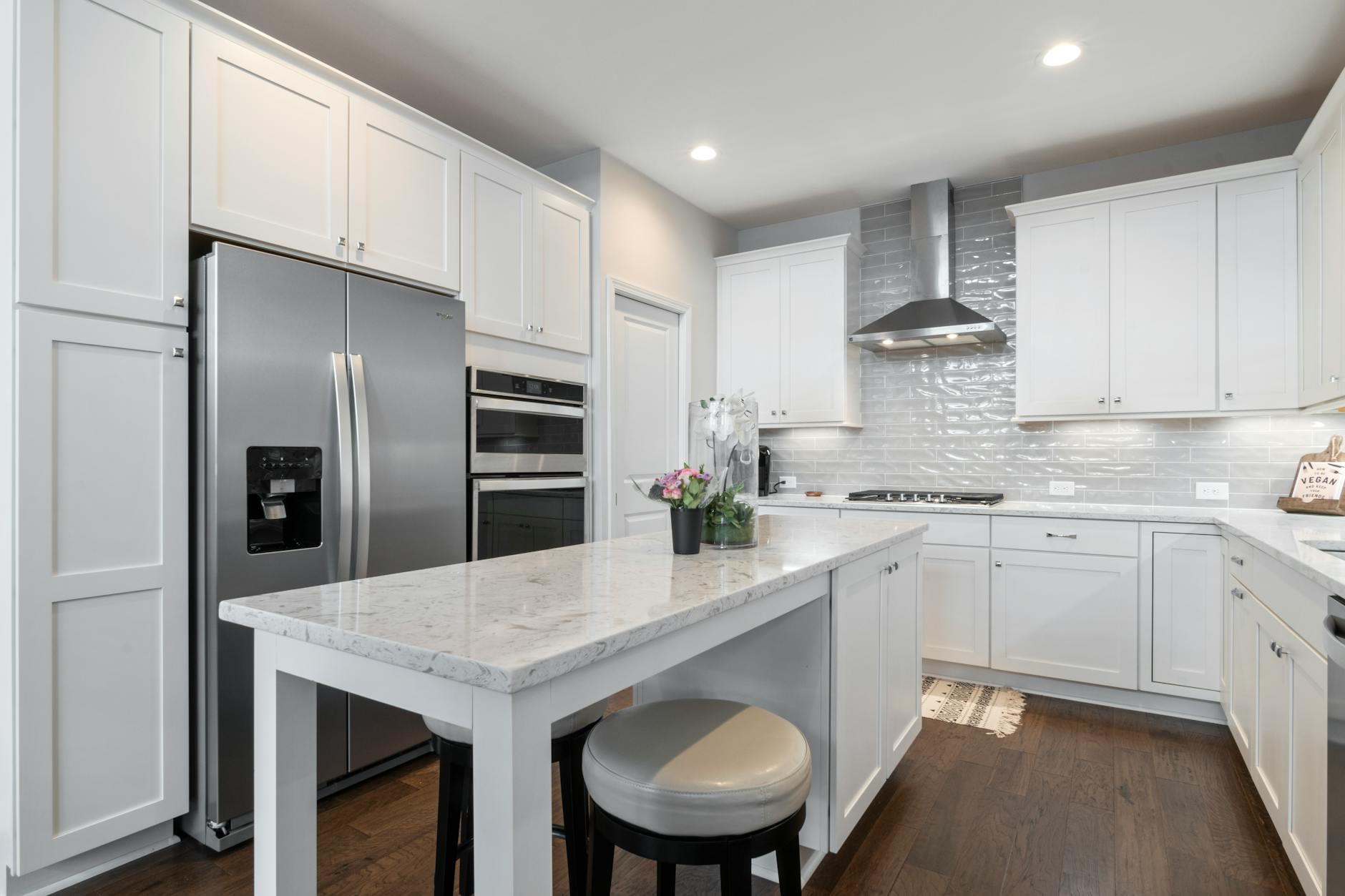
When choosing eco-friendly appliances for your home in Australia, focusing on various criteria ensures both sustainability and efficiency. One of the most important aspects to consider is the Energy Star rating. This rating, akin to the artwork at the National Gallery of Victoria, symbolizes excellence in energy conservation. By opting for energy-efficient appliances like a westinghouse fridge, you benefit from lower energy consumption and reduced utility bills.
In Melbourne's evolving urban landscape, understanding water efficiency standards is also crucial. Minimising water use furthers sustainability efforts, making options like a miele dishwasher desirable for environmentally conscious homeowners. While wandering Fitzroy’s creative streets, one can't help but draw inspiration from sustainable practices reflected in intelligent water usage innovations.
Moreover, selecting appliances made from sustainable materials is integral. This includes considering appliances designed from recycled metals or responsible manufacturing processes. An ultimate guide to eco-friendly living involves embracing durability without compromising on aesthetic appeal. For instance, bar fridges that utilize recyclable materials without losing their sleek designs harmonize well with the modern minimalist ethos many Melbourne spaces embrace.
By weaving these eco-friendly considerations into your selection process, you craft a home that resonates with environmental harmony, much like the bold architectural statements found at Federation Square. Each choice made not only contributes to a sustainable future but also enriches the visual and functional qualities of your living space.
Assessing Appliance Impact
Life Cycle Considerations
When evaluating the environmental impact of appliances, understanding their life cycle is crucial. The journey of an appliance begins with its production, where the materials and resources used can significantly influence its carbon footprint. For instance, when selecting a fridge, I consider manufacturers who prioritize recycled materials to minimize waste. From there, the operational energy efficiency becomes a focal point, assessing how much energy it consumes daily in a typical Melbourne home. Additionally, I factor in the energy consumed during transportation, especially for imported appliances, and always aim to work with local suppliers where possible.
Carbon Footprint Reduction
Reducing the carbon footprint of my design projects is a key goal. Beyond selecting energy-efficient appliances, I also advocate for options that include a zip tap for instant hot and cold water, reducing the need for multiple devices and thus saving energy. The less energy required for operating appliances, the lower their carbon footprint. Regularly reviewing energy consumption and promoting devices that consume less energy aligns with the sustainable design ethos I uphold, similar to the distinctive approach seen in the architecture at Federation Square.
End-of-Life Disposal
Planning for an appliance’s end of life is essential, as improper disposal can harm the environment. I often recommend clients to consider appliances that are easier to recycle, like those made from sustainable materials. Encouraging the use of appliances that manufacturers accept back for recycling not only supports sustainability but also reassures clients. For dishwashers, seeking models with recyclable components ensures that once their service life ends, they can be disposed of responsibly.
Matching Style with Sustainability
Aesthetically Pleasing Designs
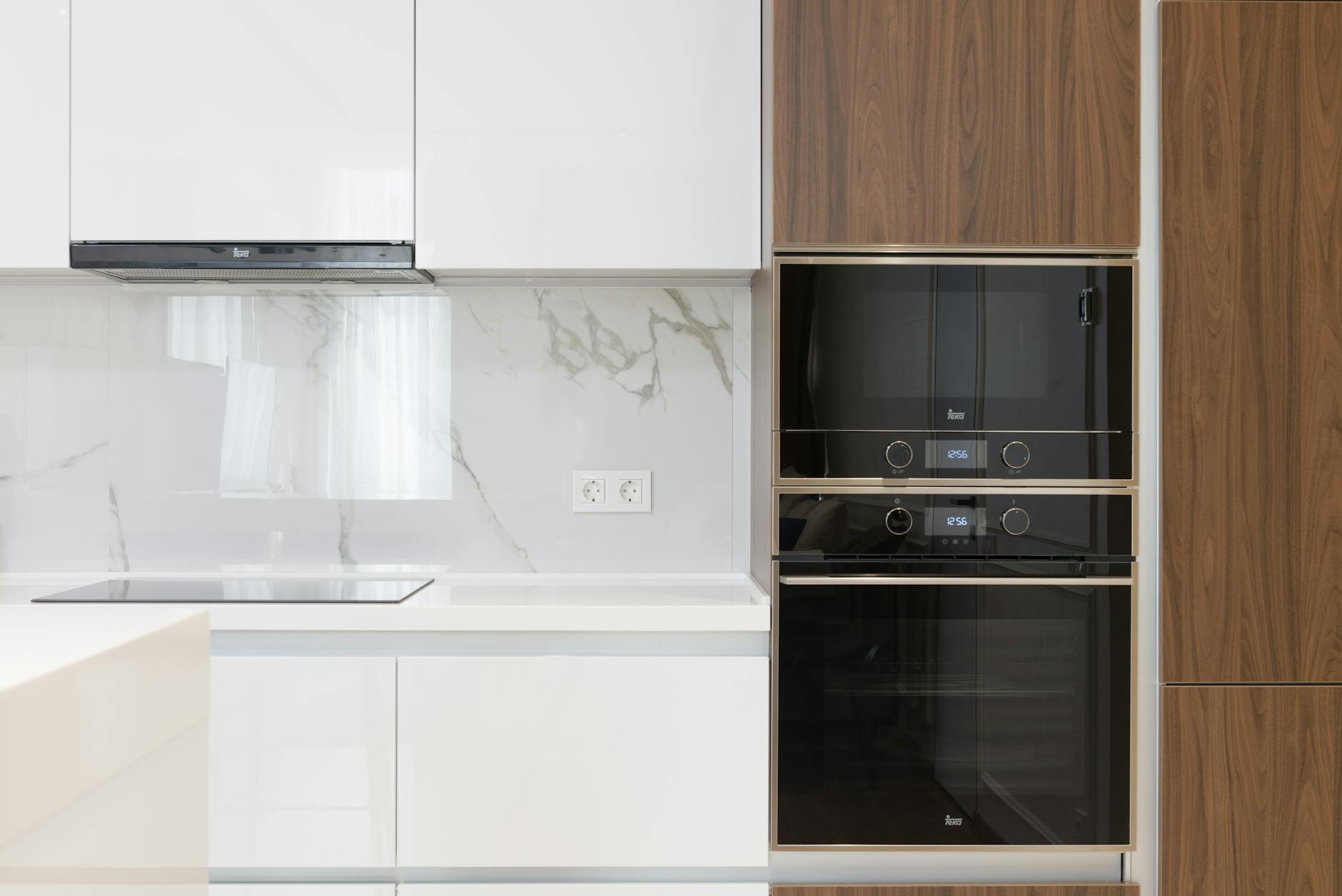
I've found that when designing interiors that blend style with sustainability, the devil truly is in the details. One project that stands out took place in a chic Fitzroy loft. The client was set on maintaining the industrial vibe, yet wanted to incorporate eco-friendly touches that didn't compromise on aesthetics. With this in mind, we selected appliances like sleek induction cooktops that seamlessly merged with the raw brick surroundings, adding both functionality and a modern twist to the kitchen.
Space-Saving Solutions
Maximizing space while ensuring sustainability is another challenge that I relish. In smaller Melbourne apartments, integrating solutions like a clothes dryer above the washing machine not only saves space but also ensures energy efficiency. Compact appliances can be cleverly concealed, maintaining the clean lines of the design while supporting an eco-conscious lifestyle—a crucial aspect when square footage is at a premium.
Integrating Modern Functionality
The allure of combining modern functionality with sustainable choices can’t be overstated. For instance, integrating energy-efficient yet stylish appliances aligns with my design philosophy of creating spaces that are not only visually appealing but also kind to the environment. Whether it’s the cutting-edge architecture of Federation Square inspiring a client’s new kitchen or the sweeping galleries of the National Gallery of Victoria providing a canvas for color palettes, merging local artistry and sustainable technology ensures that each design feels unique and tailored.
Supplier and Brand Evaluation
Ethical Manufacturing Practices
When evaluating suppliers and brands, it's crucial to consider ethical manufacturing practices. A personal anecdote from a recent Fitzroy project involved a choice between a local brand and an overseas option for chest freezers. Opting for the local one was a conscious decision, aligning with my commitment to sustainability and community support. In today's market, you want to ensure that the brands you choose focus on reducing their carbon footprint and ethically sourcing their materials.
Local vs. Imported Choices
Choosing between local and imported appliances doesn't have to be a daunting process. While local products often guarantee high quality and align with Australian standards, imported options might offer competitive pricing and unique designs. For instance, when I sourced microwaves for a modern kitchen makeover, I had the chance to weigh these factors. Ultimately, it's about balancing sustainability with budget and design preferences, ensuring you make an informed decision that aligns with your principles.
Long-Term Warranty Plans
Finally, consider the long-term warranty plans offered by suppliers. An extended warranty is a testament to a brand's confidence in its product and can offer peace of mind. My client appreciated this assurance when selecting their appliances, as it underscored a commitment to quality and durability. Reliable warranty plans not only safeguard your investment but also reflect responsible consumerism, which is vital for sustainable living.
Common Mistakes to Avoid
Neglecting Hidden Energy Costs
In my journey through sustainable design landscapes, unraveling the hidden energy costs of appliances has sometimes felt like an intricate puzzle. Picture this: renovating a chic townhouse in Fitzroy, a vibrant creative hub, where the charm lies in balancing charm with efficiency. Don't let alluring designs fool you into neglecting the real operating costs lurking behind those seductive exteriors. Opt for appliances that boast not just stellar aesthetics but also exhibit impressive Energy Star ratings, cleverly reducing long-term expenses. Ensuring your choices are as alluring as they are energy-efficient is like curating an exhibition at the National Gallery of Victoria—it's an art form.
Buying Solely Based on Trends
Chasing after fleeting trends without considering their environmental impact reminds me of the swings in architectural tastes at Federation Square. Instead, seek a more timeless approach, blending aesthetically pleasing designs with durability and eco-friendliness. Envision selecting appliances not just as short-lived fashion statements but as enduring fixtures in your living masterpiece. This mindset shifts the focus to creations that withstand the test of time, much like the respected heritage sites and modern marvels of Melbourne.
Overlooking Maintenance Needs
In the hustle of creating dream spaces, maintenance often takes a backseat until a problem arises. Think of these appliances as integral parts of your home that require routine care—akin to tending to a thriving inner-city garden. By addressing maintenance needs upfront, your eco-friendly choices will age gracefully, much like an admired piece of architecture in Docklands. A small investment in regular upkeep can ensure your appliances continue serving you efficiently and sustainably, supporting your eco-conscious lifestyle vision.